
Your air conditioner may be running throughout the day, but have you ever considered what happens to the air as it travels through your home’s ductwork?
In Houston, where warm temperatures and high humidity make air conditioning an important part of everyday living, residential HVAC systems experience considerable use. While homeowners often pay attention to filters, thermostats, and outdoor units, the network of ducts carrying conditioned air can receive much less attention.
Over time, dust, loose debris, and other unwanted materials may accumulate inside different parts of an HVAC system. Moisture can introduce another concern, particularly when condensation, drainage problems, or water leaks affect ductwork and connected components.
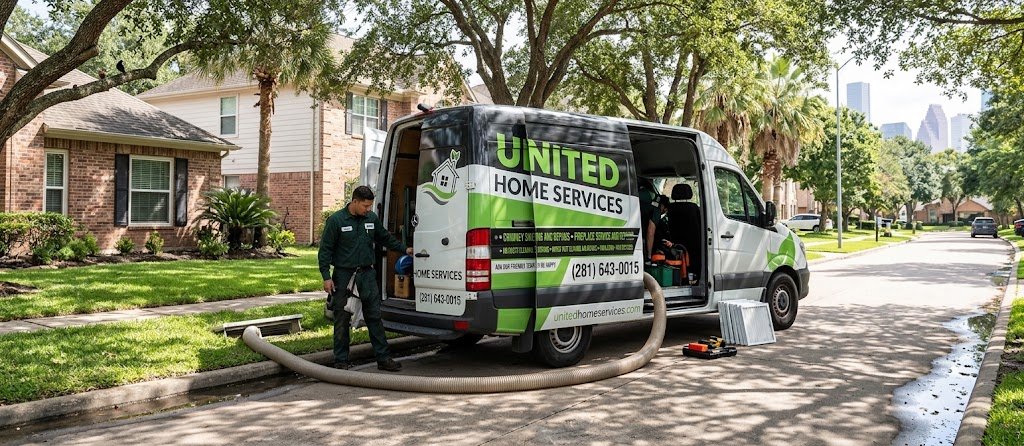
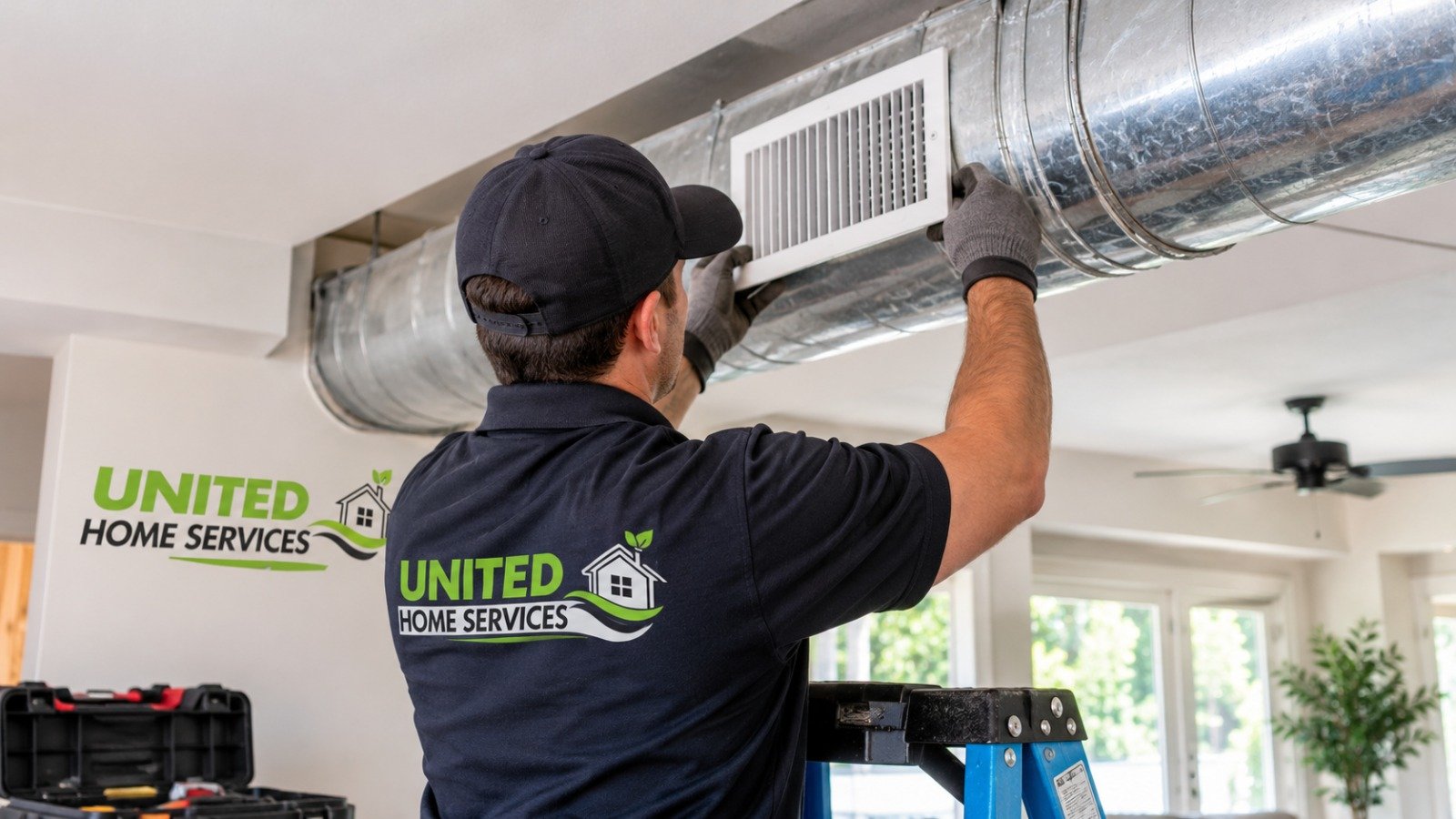
Professional air duct cleaning Houston services provide a way to address substantial contamination when it is actually present. Houston United Home Services helps local homeowners maintain their duct systems through cleaning and related HVAC air care services.
Understanding what accumulates inside ductwork, when cleaning is appropriate, and what a thorough service should involve can help you make a more informed decision about your home’s ventilation system.
Houston’s Humidity Changes the Way Homeowners Should Think About Duct Maintenance
Dust is often the first thing people associate with dirty air ducts. However, moisture deserves just as much attention in a humid environment like Houston.
Air conditioning systems remove moisture from indoor air as part of the cooling process. Condensation forms around cooling coils and should drain properly through the system’s condensate drainage arrangement.
When drainage becomes obstructed or components develop leaks, unwanted moisture may collect around the HVAC equipment.
This creates conditions that deserve investigation because moisture combined with accumulated debris can contribute to biological growth.
Several areas deserve particular attention.
- Cooling coils can collect dust and experience condensation during normal operation.
- Drain pans can accumulate debris and may develop standing water when drainage is impaired.
- Return air compartments can collect airborne particles drawn into the HVAC system.
- Duct insulation can become damaged when exposed to persistent moisture.
- Air handling equipment may develop contamination when maintenance problems remain unresolved.
It is important to understand that humidity alone does not prove that a duct system contains mold. Moisture conditions, visible contamination, and the actual condition of the equipment need to be evaluated before recommending treatment.
For Houston homeowners, controlling moisture is just as important as removing existing debris.
Follow the Airflow and You Will Understand Where Contamination Can Develop
An HVAC system is a connected arrangement of components. Cleaning only the visible vent covers does not address the entire pathway through which air moves.
Consider how the system operates.
Return Air Pulls Household Particles Toward the HVAC System
Return vents draw indoor air toward the heating and cooling equipment. Along the way, airborne particles may enter the system.
Dust from furnishings, pet hair, household activities, and other everyday sources can contribute to the material collected around return air components.
Filters capture some of these particles, but their effectiveness depends on proper installation, condition, and suitability for the equipment.
The Air Handler Contains Important Cleaning Components
The air handler contains components responsible for moving and conditioning air.
Depending on the equipment, these may include the blower assembly, cooling coil, drain pan, and other internal surfaces.
When contamination accumulates on components that require cleaning, addressing only the ductwork may leave part of the problem unresolved.
Supply Ducts Carry Conditioned Air Throughout the Property
After passing through the HVAC equipment, conditioned air travels through supply ducts toward individual rooms.
Dust and debris may accumulate within duct sections, particularly when the system has experienced contamination, poor maintenance, or construction-related debris.
A thorough assessment should consider both the condition of the ducts and the components connected to them.
Registers Complete the Air Distribution Process
Supply registers distribute air into living spaces, while return grilles allow indoor air to travel back toward the equipment.
These visible components can be cleaned separately, but their appearance does not necessarily reveal the condition of the concealed duct network.
Understanding this airflow journey explains why professional HVAC cleaning should consider the connected system rather than focusing exclusively on individual vents.
When Does Air Duct Cleaning Actually Make Sense?
Not every home needs its ductwork cleaned simply because time has passed. The decision should depend on visible conditions, the system’s history, and evidence of contamination.
The Environmental Protection Agency recommends considering duct cleaning when particular problems exist rather than treating it as an automatic maintenance requirement.
For example, cleaning may be appropriate when substantial visible mold growth is confirmed inside suitable duct surfaces or HVAC components, when vermin have infested the ducts, or when excessive dust and debris are present.
Here are situations that deserve closer attention.
After major home renovation work
Construction and remodeling can introduce drywall dust, sawdust, insulation particles, and other debris into the indoor environment. If these materials enter the HVAC system, an assessment can help determine whether cleaning is necessary.
When pests have entered the ductwork
Rodents and insects can leave nesting materials and other contamination behind. Professional evaluation is important because removing the visible debris may not address every affected area.
When debris repeatedly appears around supply registers
A little dust around a vent does not automatically mean the entire duct system is dirty. However, substantial particles being released through supply registers deserve investigation.
When visible contamination is discovered
Substantial visible mold growth or heavy debris inside accessible duct sections should not be ignored. If mold is suspected, its identification and the source of moisture should be addressed rather than relying on cleaning alone.
After water intrusion
Flooding, roof leaks, plumbing problems, or condensation issues may affect ductwork and insulation. Wet or mold-contaminated porous duct insulation may need replacement rather than ordinary cleaning.
The important point is to establish what is actually wrong before deciding which service is appropriate.
What a Thorough Air Duct Cleaning Appointment Should Include
A quality cleaning process involves more than inserting a vacuum hose into a vent. The service provider should understand the duct material, identify contamination, protect the home, and use suitable equipment.
Houston United Home Services describes its air duct services as involving cleaning and inspection of important HVAC components.
A professional cleaning process may involve the following stages.
Understanding the Existing HVAC Setup
The technician begins by evaluating the system and identifying the type of ductwork installed.
Residential systems may contain sheet metal ducts, flexible ducting, or fiberglass duct board. Each material requires appropriate cleaning methods.
The condition of the equipment also matters because damaged or contaminated components may require separate attention.
Preparing the Home for Cleaning
Before work begins, appropriate protective measures should be used around registers, furnishings, and other areas that could be affected by dust or debris.
Professional vacuum collection equipment helps prevent loosened contaminants from spreading throughout the home.
Loosening Accumulated Debris
Specialized agitation equipment helps dislodge particles attached to the interior surfaces of suitable duct sections.
The equipment must be appropriate for the duct material to avoid damaging flexible or internally insulated surfaces.
Collecting and Removing Contaminants
A controlled vacuum collection system captures loosened material and removes it from the HVAC network.
This step is important because disturbing debris without collecting it properly could simply redistribute contaminants.
Examining Connected HVAC Components
A complete cleaning assessment should consider relevant components such as the blower assembly, cooling coils, drain pan, return compartments, and registers.
Not every component will necessarily require cleaning, but its condition should be understood.
Reviewing the Completed Work
After cleaning, the service provider should be able to explain what was addressed and identify any remaining concerns.
Photographic documentation can also help homeowners understand the condition of areas that are otherwise difficult to access.
Why Cleaning the Entire System Is More Meaningful Than Cleaning Individual Vents
Imagine having the carpets in your living room professionally cleaned while leaving substantial dirt underneath the furniture. The visible improvement would not represent the condition of the entire room.
A similar issue can occur with HVAC cleaning.
If heavily contaminated ducts are cleaned but the affected blower assembly, cooling coil, or other connected components remain dirty, contamination may continue to affect the system.
The National Air Duct Cleaners Association emphasizes source removal and appropriate cleaning of the HVAC system’s relevant components.
Depending on the equipment and contamination, the work may involve attention to
- Supply and return ductwork.
- Air handling compartments.
- Blower components.
- Cooling coils.
- Condensate drain pans.
- Supply registers and return grilles.
- Air plenums and other connected sections.
This does not mean every component automatically requires cleaning during every appointment. The work should reflect the actual condition of the equipment.
A professional assessment helps establish the appropriate scope rather than treating every home as though it has identical maintenance needs.
Air Duct Cleaning Is Not a Substitute for Moisture Control
One common misunderstanding is that cleaning contaminated ducts automatically prevents future mold problems.
Unfortunately, this is not how moisture-related contamination works.
If a duct system has a leaking connection, damaged insulation, or an unresolved condensation problem, cleaning alone will not eliminate the underlying cause.
The Environmental Protection Agency identifies moisture control as the key to managing mold problems.
Houston homeowners should therefore pay attention to conditions that may introduce moisture into their HVAC systems.
Look for Condensation Problems
Cooling equipment naturally produces condensation, but that moisture should be collected and drained correctly.
Standing water, overflowing drain pans, and persistent dampness deserve professional attention.
Address Water Leaks Promptly
Water entering through a roof, plumbing connection, or damaged duct component should be corrected before cleaning is considered complete.
Otherwise, the same conditions may lead to recurring contamination.
Evaluate Wet or Damaged Insulation
Porous duct insulation that has become wet or moldy may not be suitable for cleaning. Depending on its condition, removal and replacement may be necessary.
Maintain Proper Duct Sealing
Leaks can allow unwanted air and particles to enter the duct system, particularly in unconditioned spaces.
Suitable duct sealing and insulation can help reduce these problems, although air sealing is a separate service from interior duct cleaning.
How Houston United Home Services Helps Maintain Residential Duct Systems
Choosing an air duct cleaning provider means trusting someone to work with equipment that is often hidden behind ceilings, walls, and utility spaces.
Homeowners should expect a service that focuses on the actual condition of their HVAC system instead of relying on exaggerated claims about what cleaning can accomplish.
Houston United Home Services provides residential air duct services for homeowners throughout the Houston area.
The company’s published service information highlights several aspects of its approach.
- Air duct cleaning and related HVAC maintenance.
- Inspection of accessible duct and system components.
- Attention to the blower assembly and cooling coil.
- Examination of return boxes and plenums.
- Evaluation of potential mildew and moisture concerns.
- Removal of loose dust and debris using appropriate equipment.
- Air duct sealing services.
The company also highlights its experience, professional technicians, and service commitment.
For homeowners who are uncertain whether their ducts need cleaning, an assessment can help clarify the condition of the system and determine which areas require attention.
This is particularly useful when dealing with suspected contamination, moisture-related concerns, or debris that may have entered the HVAC system during renovation work.
The right approach is to identify the source of the problem, establish the necessary scope of service, and avoid treatments that are not justified by the inspection findings.
Everyday HVAC Habits That Can Reduce Unnecessary Duct Contamination
Professional cleaning addresses existing problems, but homeowners can also take practical steps to keep their HVAC systems in better condition.
The following habits focus on preventing avoidable contamination and maintaining the equipment that supports indoor comfort.
Keep the air filter in suitable condition
A dirty or incorrectly installed filter can interfere with airflow and allow more particles to bypass the filtration system. Follow the equipment manufacturer’s guidance for filter selection and replacement.
Keep return vents clear
Furniture, curtains, and stored belongings should not obstruct return air grilles. Restricted airflow can affect how the HVAC system operates.
Do not ignore unusual moisture
Persistent dampness around air conditioning equipment or visible water near duct connections deserves investigation. Moisture problems should be corrected rather than concealed.
Maintain the cooling equipment
The evaporator coil, condensate drain, and other relevant components require appropriate maintenance. These areas can influence both system performance and moisture management.
Keep renovation debris away from HVAC openings
During home improvement work, protect exposed supply and return openings to reduce the chance of construction debris entering the system.
Pay attention to unusual odors
Musty smells, persistent dusty odors, or changes in indoor air conditions may justify investigating the HVAC system. These symptoms do not prove that duct cleaning is necessary, but they should not be dismissed.
A More Informed Approach to Your Home’s Air Distribution System
The condition of your ductwork is one part of the larger HVAC picture. Dust accumulation, moisture intrusion, damaged insulation, and neglected equipment can all affect how well the system operates.
For Houston homeowners, the best maintenance decisions begin with understanding the difference between ordinary household dust and actual HVAC contamination.
Houston United Home Services helps homeowners address duct cleaning and related system concerns through professional residential air duct services.
If your home has experienced renovation debris, visible duct contamination, moisture problems, or persistent concerns around the HVAC system, consider arranging an assessment to determine whether cleaning is appropriate.
A well-maintained HVAC system starts with knowing what needs attention and choosing the right solution for the condition you actually have.
Frequently Asked Questions
Does Houston’s humidity make air duct cleaning more important?
Humidity alone does not mean that ductwork needs cleaning. However, moisture problems involving condensation, leaks, or damaged insulation can contribute to contamination. Controlling the moisture source is essential when addressing these conditions.
Can dirty air ducts make my home smell musty?
They can contribute to unpleasant odors when moisture, accumulated debris, or biological contamination is present. However, musty smells can also originate from other areas of the property, so identifying the actual source is important.
Will professional duct cleaning remove all household dust?
No. Dust enters homes through outdoor air, daily activities, clothing, furnishings, and other sources. Duct cleaning addresses contamination inside the HVAC system, not every source of household dust.
Should air ducts be cleaned after remodeling?
An inspection is worthwhile after projects that generate substantial dust or debris. Whether cleaning is necessary depends on whether construction materials entered the HVAC system and the amount of contamination present.
Can air duct cleaning improve HVAC efficiency?
Cleaning heavily contaminated HVAC components may help restore proper operation in certain circumstances. However, cleaning the ducts alone has not been conclusively shown to improve energy efficiency. Problems such as air leakage, poor insulation, and equipment malfunction may require separate solutions.
Is mold inside air ducts always removable through cleaning?
No. The appropriate solution depends on the affected material and extent of contamination. Wet or moldy porous insulation may require replacement, and the source of moisture must be corrected to prevent recurrence.
Does Houston United Home Services provide air duct cleaning and inspection?
Yes. Houston United Home Services lists air duct cleaning and related inspection services among its residential HVAC offerings in the Houston area.
How can I tell whether a duct cleaning company is doing a complete job?
Ask the provider to explain the cleaning process, identify the components included, and show evidence of contamination that justifies the work. A responsible company should also explain any limitations involving inaccessible areas or damaged duct materials.