
Your chimney is constantly exposed to outdoor conditions, and moisture can gradually weaken its brickwork, mortar joints, and other components. In a climate like Houston, where heavy rainfall, humidity, and seasonal storms can expose masonry to repeated moisture, protecting your chimney is an important part of home maintenance. Chimney waterproofing Houston is a practical consideration for homeowners who want to reduce water absorption and prevent avoidable chimney deterioration.
Chimney waterproofing is more than applying a protective coating to visible bricks. It involves understanding where moisture enters, identifying existing damage, and choosing an appropriate treatment for the chimney’s construction materials. When performed at the right stage, waterproofing can help preserve masonry and reduce the risk of recurring moisture problems.
For homeowners considering chimney maintenance, understanding the waterproofing process can help them make better decisions about protecting their property.
Why Is Chimney Waterproofing Important in Houston?
Houston’s weather can create challenging conditions for exterior masonry. Frequent rainfall, humid air, and periods of intense storms expose chimneys to moisture throughout the year.
Brick and mortar are naturally porous. Even when a chimney appears solid, small openings in its surface can allow rainwater to penetrate. Over time, repeated moisture exposure can contribute to deterioration.
Several problems make chimney waterproofing worth considering:
1. Preventing Brick and Mortar Deterioration
When water repeatedly enters brickwork, it can weaken the masonry and contribute to surface deterioration. Mortar joints may gradually develop cracks, gaps, or loose sections.
A suitable water-repellent treatment can reduce rainwater absorption through otherwise sound masonry. However, damaged bricks and deteriorated mortar should be repaired before waterproofing.
2. Reducing Interior Water Leaks
Water entering through a chimney can sometimes travel into surrounding roof structures, ceilings, walls, or fireplace areas.
Homeowners may notice:
- Water stains near the fireplace.
- Damp patches around the chimney.
- Peeling paint on nearby walls or ceilings.
- Musty odors around the fireplace.
- Discoloration on interior masonry.
These symptoms can indicate moisture intrusion, although the actual source needs to be identified before choosing a repair.
3. Protecting Against Mold and Moisture Problems
Persistent moisture can create conditions that encourage mold growth in nearby building materials. This is particularly concerning when water reaches concealed spaces around the chimney or roof.
Waterproofing suitable exterior masonry can help reduce one potential source of moisture. It should be combined with proper leak detection and repairs rather than treated as a complete solution to every moisture problem.
4. Preserving Your Home’s Exterior Appearance
Water penetration can cause dark stains, white mineral deposits, and damaged brick surfaces. These changes can make an otherwise attractive chimney look neglected.
Preventive maintenance helps homeowners preserve the appearance of their masonry while addressing potential deterioration before it becomes more extensive.
Common Signs Your Houston Chimney May Need Waterproofing
Recognizing early signs of water penetration can help prevent more extensive masonry problems. Some warning signs are visible from the ground, while others require a closer inspection.
Look for the following indicators:
| Warning sign | What it may indicate |
| White powdery deposits | Efflorescence caused by moisture carrying mineral salts to the surface |
| Crumbling mortar | Deterioration associated with repeated moisture exposure |
| Flaking or damaged bricks | Possible water penetration and masonry deterioration |
| Rust around metal components | Moisture exposure affecting metal parts |
| Water stains near the fireplace | Potential chimney or roof-related leakage |
| Cracks in the chimney crown | An opening that may allow rainwater to enter |
| Damp chimney walls | Possible ongoing moisture intrusion |
Not every chimney problem requires waterproofing. For example, a leak caused by damaged roof flashing needs a different repair from water absorption through porous brickwork.
Identifying the actual source is essential before selecting a treatment.
What Does Professional Chimney Waterproofing Involve?
Effective chimney waterproofing begins with understanding the condition of the entire structure. Applying a water repellent without addressing existing defects can leave important moisture entry points unresolved.
A properly planned approach generally involves several stages.
Step 1: Inspect the Chimney Exterior
The first step is examining the exposed chimney masonry, crown, mortar joints, and roof connection.
An inspection should look for:
- Cracked or deteriorated bricks.
- Missing or loose mortar.
- Damaged chimney crowns.
- Gaps around flashing.
- Signs of previous water intrusion.
- Areas where moisture may be entering.
The objective is to identify whether water is penetrating the masonry or entering through another component.
Step 2: Repair Existing Damage
Waterproofing products cannot replace damaged mortar, repair broken bricks, or correct defective flashing.
Depending on the inspection findings, necessary work may include:
- Repointing deteriorated mortar joints.
- Repairing cracks in the chimney crown.
- Replacing severely damaged masonry.
- Correcting flashing problems.
- Addressing damaged chimney caps or other openings.
These repairs should be completed and allowed to cure appropriately before applying a masonry water repellent.
Step 3: Select an Appropriate Waterproofing Product
Choosing the right product is particularly important for brick and stone chimneys.
For suitable above-ground masonry, a penetrating, vapor-permeable water repellent is often preferable to a film-forming coating. It is designed to reduce liquid-water absorption while allowing water vapor to escape.
Before choosing a product, consider:
- The type of brick or masonry.
- The current condition of the chimney.
- Existing coatings or treatments.
- Moisture levels within the material.
- The manufacturer’s application requirements.
Avoid assuming that ordinary exterior paint or a generic waterproof coating is suitable for chimney masonry. Some coatings can restrict drying and contribute to moisture-related deterioration.
National Park Service+1
Step 4: Prepare the Masonry Surface
Surface preparation helps ensure the selected treatment can perform as intended.
Depending on the chimney’s condition, preparation may involve removing loose debris, dirt, surface contaminants, and incompatible coatings.
The masonry must also meet the product manufacturer’s moisture and weather requirements. Applying a treatment to saturated brickwork can interfere with proper performance.
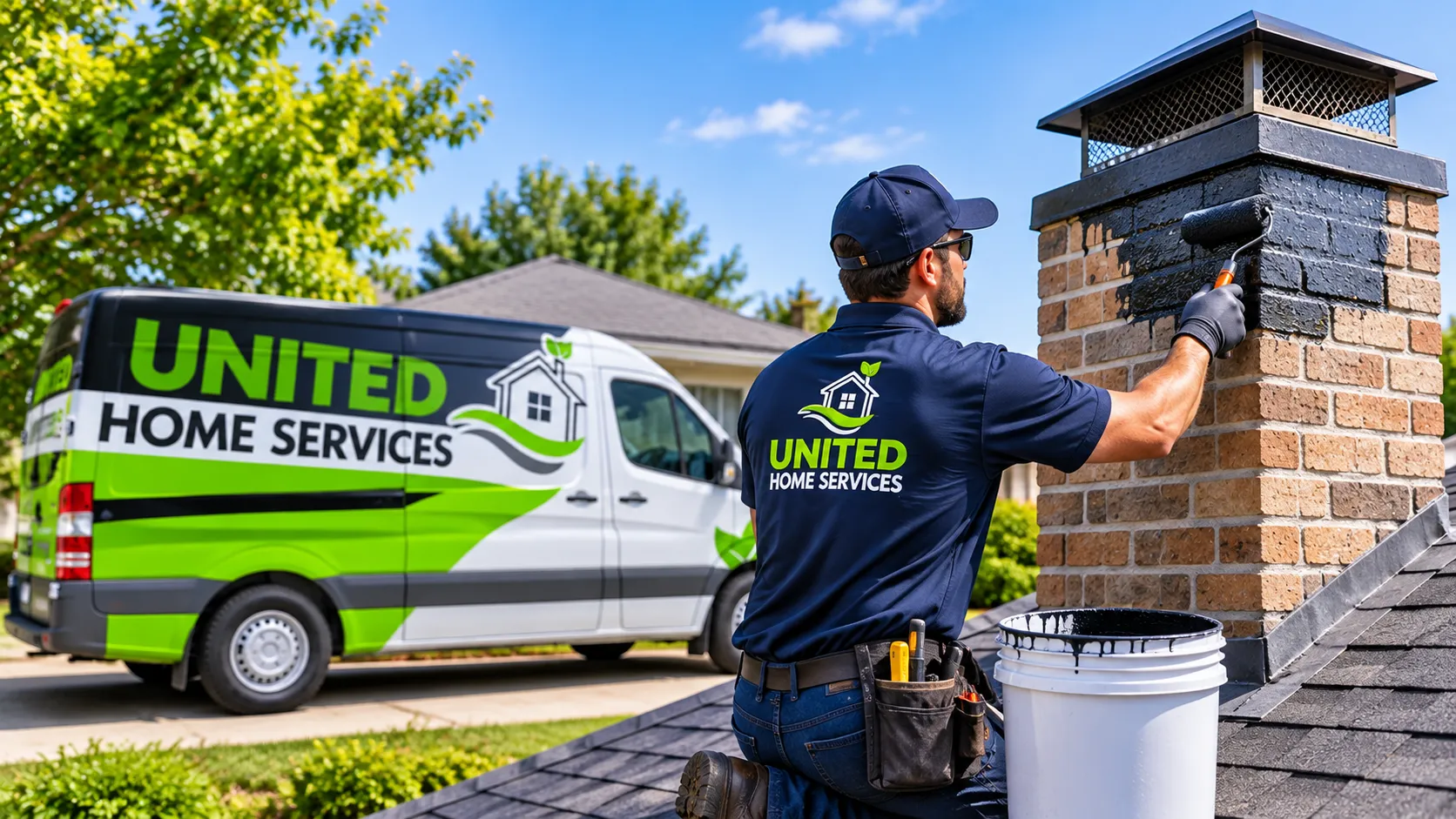
Step 5: Apply the Water-Repellent Treatment
Once repairs are complete and the masonry is suitable for treatment, the selected product can be applied according to its instructions.
Coverage should account for the exposed masonry surfaces rather than only the most visible side of the chimney.
Proper application helps reduce direct rainwater absorption while preserving the natural appearance of suitable brickwork.
Step 6: Check the Completed Work
After application, the treated surface should be checked for consistent coverage and any visible application problems.
Homeowners should also understand which components were repaired, which surfaces were treated, and what maintenance the manufacturer recommends.
Which Chimney Components Should Be Checked for Water Protection?
Water can enter a chimney through several different areas. Treating the brick exterior alone may not resolve the underlying problem.
Chimney Crown
The chimney crown is the top surface that protects the masonry structure around the flue. Cracks, gaps, and deteriorated sections can allow rainwater to enter.
A damaged crown may need repair before any exterior water-repellent treatment is considered.
Chimney Flashing
Flashing creates a weather-resistant connection where the chimney meets the roof.
Damaged, improperly installed, or separated flashing can allow rainwater to travel into the roof assembly. This type of problem requires flashing repair rather than simply waterproofing the bricks.
Chimney Cap
A chimney cap helps prevent rain, debris, and animals from entering the flue opening.
A missing, damaged, or poorly fitted cap can expose the chimney interior to moisture. Its condition should be checked as part of regular chimney maintenance.
Brickwork and Mortar Joints
The exposed brickwork and mortar joints form a major part of the chimney’s exterior weather barrier.
Open joints, deteriorated mortar, and damaged bricks can create pathways for moisture. These defects should be corrected before applying a suitable water repellent.
How Much Does Chimney Waterproofing Cost in Houston?
The cost of chimney waterproofing in Houston depends on the chimney’s size, condition, construction materials, and the amount of preparation required.
There is no single price that applies to every property.
Several factors can influence the overall project cost.
Chimney size and height: Larger chimneys generally require more material and application time. Taller structures may also involve additional access equipment.
Masonry condition: A chimney with damaged bricks, cracked mortar joints, or a deteriorated crown may require repairs before waterproofing.
Roof accessibility: Steep roofs, difficult access points, and unusual chimney designs can affect labor requirements.
Waterproofing product: Different products have different application requirements, coverage rates, and suitability for specific masonry materials.
Additional repairs: Flashing replacement, crown repairs, and masonry restoration can increase the overall project cost.
How to Evaluate a Waterproofing Estimate
Before agreeing to a project, ask the service provider to explain:
- What is causing the moisture problem?
- Which chimney components need repair?
- What waterproofing product is recommended?
- Is the product appropriate for the existing masonry?
- What areas will receive treatment?
- What preparation is included in the quoted work?
A detailed assessment helps you understand what you are paying for and whether the proposed work addresses the actual source of moisture.
How Can Houston Homeowners Maintain a Waterproofed Chimney?
Waterproofing is not a substitute for ongoing chimney maintenance. Even a properly treated chimney can develop new problems if its protective components deteriorate.
Consider these maintenance practices:
- Schedule regular inspections: Have the chimney examined periodically to identify developing cracks, loose mortar, and other defects.
- Check after severe storms: Look for visible changes, damaged chimney components, and signs of water intrusion.
- Keep gutters functional: Blocked or overflowing gutters can contribute to water-management problems around the roof.
- Monitor interior walls: Watch for new damp patches, discoloration, or peeling paint near the fireplace.
- Inspect flashing and the crown: These areas should remain in good condition to help prevent water from entering the structure.
- Follow product maintenance guidance: The recommended inspection and reapplication schedule depends on the specific treatment and exposure conditions.
Houston homeowners should pay particular attention to chimney condition after periods of heavy rain. Early attention to minor defects can help prevent moisture problems from developing into more extensive repairs.
Why Consider Houston United Home Services for Chimney Maintenance?
Maintaining a chimney requires attention to both its exterior condition and its overall functionality. Water-related problems should be identified early so homeowners can understand which repairs or preventive measures may be appropriate.
Houston United Home Services provides chimney and fireplace services in Houston, including chimney inspections, sweeping, repairs, and preventative maintenance.
For homeowners concerned about moisture intrusion, discussing the chimney’s condition with a service professional can help identify potential problems involving the crown, flashing, masonry, and other exposed components.
Before proceeding with waterproofing, it is important to establish whether the chimney needs structural repairs, a water-repellent treatment, or another moisture-control solution.
Homeowners can visit the company’s website to learn more about its chimney services and arrange an appointment.
Is Your Chimney Ready for Better Protection Against Houston Rain?
A chimney may look perfectly fine from the outside while moisture gradually affects its bricks, mortar joints, or internal components. Taking preventive action can help homeowners avoid more extensive deterioration and maintain the condition of their property.
The right approach starts with identifying where water enters, repairing existing defects, and determining whether an appropriate masonry water repellent is needed.
If you have noticed dampness, deteriorating mortar, or water stains around your fireplace, would you consider having your chimney inspected? Contact Houston United Home Services to discuss your chimney maintenance concerns and explore the appropriate next steps for your Houston home.
Frequently Asked Questions
1. How do I know if my chimney needs waterproofing?
Look for white mineral deposits on bricks, deteriorating mortar, flaking masonry, damp patches, and recurring water stains near the fireplace. These signs may indicate moisture intrusion. A professional inspection can help determine whether waterproofing is appropriate.
2. Is chimney waterproofing necessary in Houston, Texas?
It may be beneficial for suitable masonry chimneys exposed to repeated rainfall and moisture. Houston’s weather can increase exposure to water, making preventive maintenance important. However, waterproofing should depend on the chimney’s condition and actual moisture-related risks.
3. What is the best waterproofing product for a brick chimney?
A penetrating, vapor-permeable water repellent designed for masonry is generally a suitable option for appropriate above-ground brick chimneys. It helps reduce liquid-water absorption while allowing water vapor to escape. Product compatibility should always be checked before application.
4. Can chimney waterproofing stop an existing leak?
Not necessarily. Waterproofing can reduce rainwater absorption through suitable masonry, but it cannot repair cracked crowns, defective flashing, open mortar joints, or damaged bricks. The actual leak source must be identified and repaired first.
5. How often should a chimney be waterproofed?
The appropriate reapplication interval depends on the product, masonry condition, weather exposure, and manufacturer’s recommendations. Homeowners should have the chimney inspected periodically to determine whether the existing treatment remains effective or needs attention.