
Houston’s mild winters can make a fireplace seem like a feature you only use now and then. Yet even a fireplace that sits unused for months needs care before you light it. Fireplace Maintenance in Houston helps homeowners check for soot, damaged parts, poor ventilation, and other issues that can affect safe operation.
Houston United Home Services is a local brand homeowners may consider when arranging fireplace and chimney care. The right maintenance depends on your fireplace type, fuel, age, and how often you use it. A wood-burning fireplace needs different checks from a gas unit or electric insert.
When did you last inspect your fireplace? A quick look at the hearth may not reveal a blocked flue or a worn gas connection. This guide explains what to check, how professional servicing works, common local cost factors, and when to call a qualified technician.
Routine fireplace care for Houston homes
The local climate creates a few maintenance concerns that homeowners may not expect. Houston has long warm seasons, high humidity, heavy rain, and occasional strong storms. A fireplace may sit unused for months, giving moisture, dust, insects, and small animals time to affect its parts.
Wood-burning fireplaces
Wood fireplaces need regular firebox, damper, flue, and chimney checks. Burning wood creates soot and creosote, which can collect inside the flue. Thick creosote deposits can catch fire.
Use dry, seasoned hardwood and avoid burning painted wood, rubbish, or wet logs. Keep ash in a metal container with a lid, away from combustible materials. Never leave a fire unattended.
Gas fireplaces
Gas units need checks of the burner, pilot assembly, gas connections, glass, and vent system. Dust and insects can affect small openings during long periods without use. A technician should check for leaks and confirm that the burner produces a stable flame.
If you smell gas, do not light the fireplace or operate electrical switches nearby. Leave the property and contact your gas supplier or emergency services from a safe location.
Electric fireplaces
Electric models do not produce smoke or creosote, but they still need care. Dust can collect around air inlets, outlets, and heating elements. Keep vents clear and follow the manufacturer’s cleaning instructions.
| Fireplace type | Main maintenance | Common concern | Typical care |
| Wood-burning | Flue, firebox, damper | Creosote and debris | Annual inspection |
| Gas | Burner, pilot, gas line | Leaks and faulty ignition | Annual service |
| Electric | Vents and electrical parts | Dust and overheating | Regular dust removal |
| Outdoor fireplace | Firebox, cap, masonry | Rain and storm damage | Seasonal inspection |
Houston Fire Department safety guidance recommends annual fireplace inspection and cleaning by a qualified chimney professional. National fire data for 2020–2024 recorded an average of 37,365 fires involving heating equipment each year. Fireplace and chimney fires made up a smaller share, but accounted for 19% of direct property damage in larger heating-equipment fires.
How a professional fireplace inspection works
A proper visit should cover the fireplace and the parts that support safe operation. The exact checks depend on the fuel type and system design.
- Review the fireplace history. The technician asks about smoke, unusual smells, ignition problems, recent repairs, and how often you use the unit.
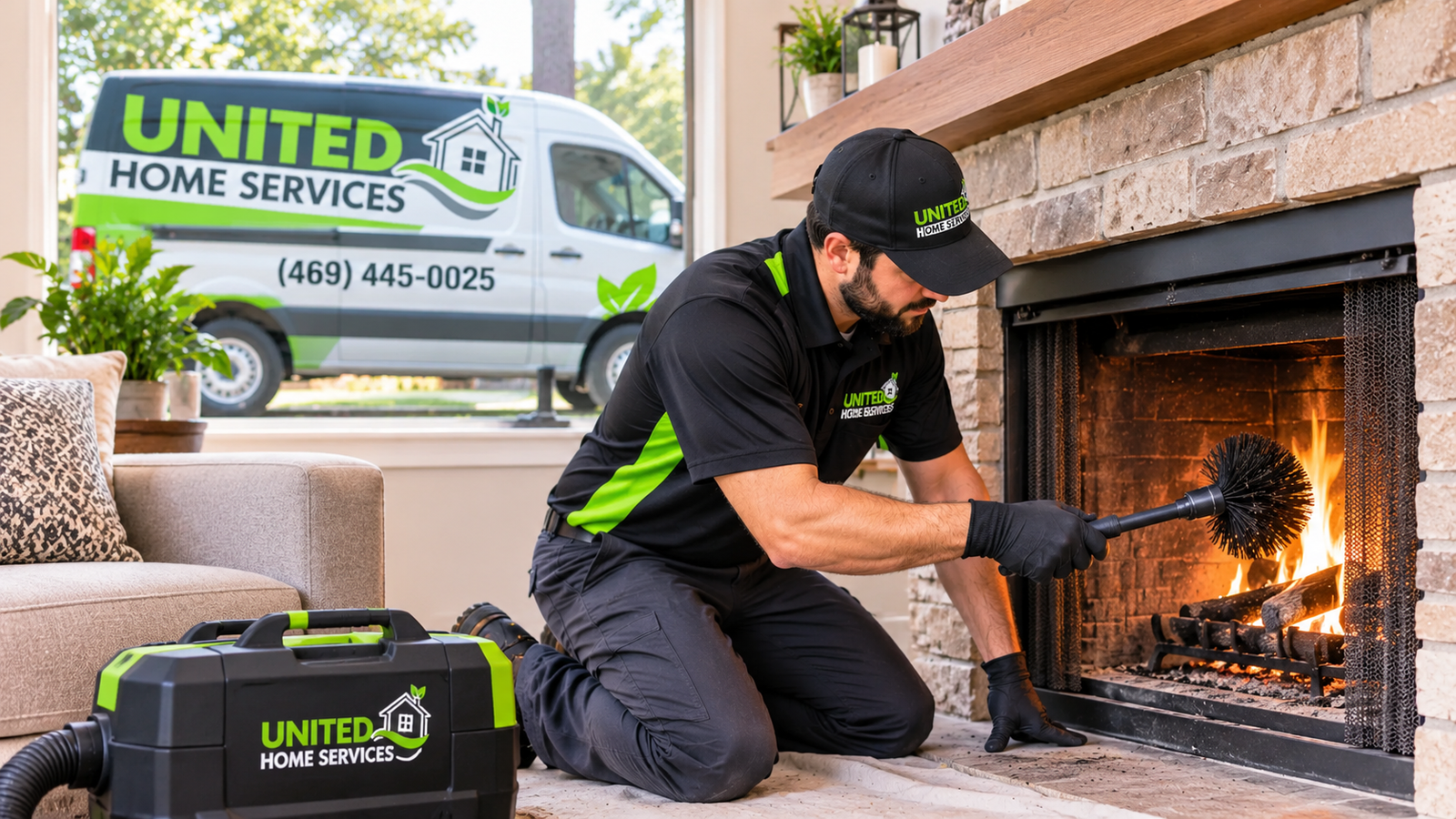
- Inspect the firebox. They check the walls, floor, panels, grate, and visible joints for cracks or damage. Wood-burning units may need soot and ash removal.
- Check the damper and flue. The technician checks whether the damper opens and closes correctly. They look for creosote, loose masonry, blockages, and signs of water entry.
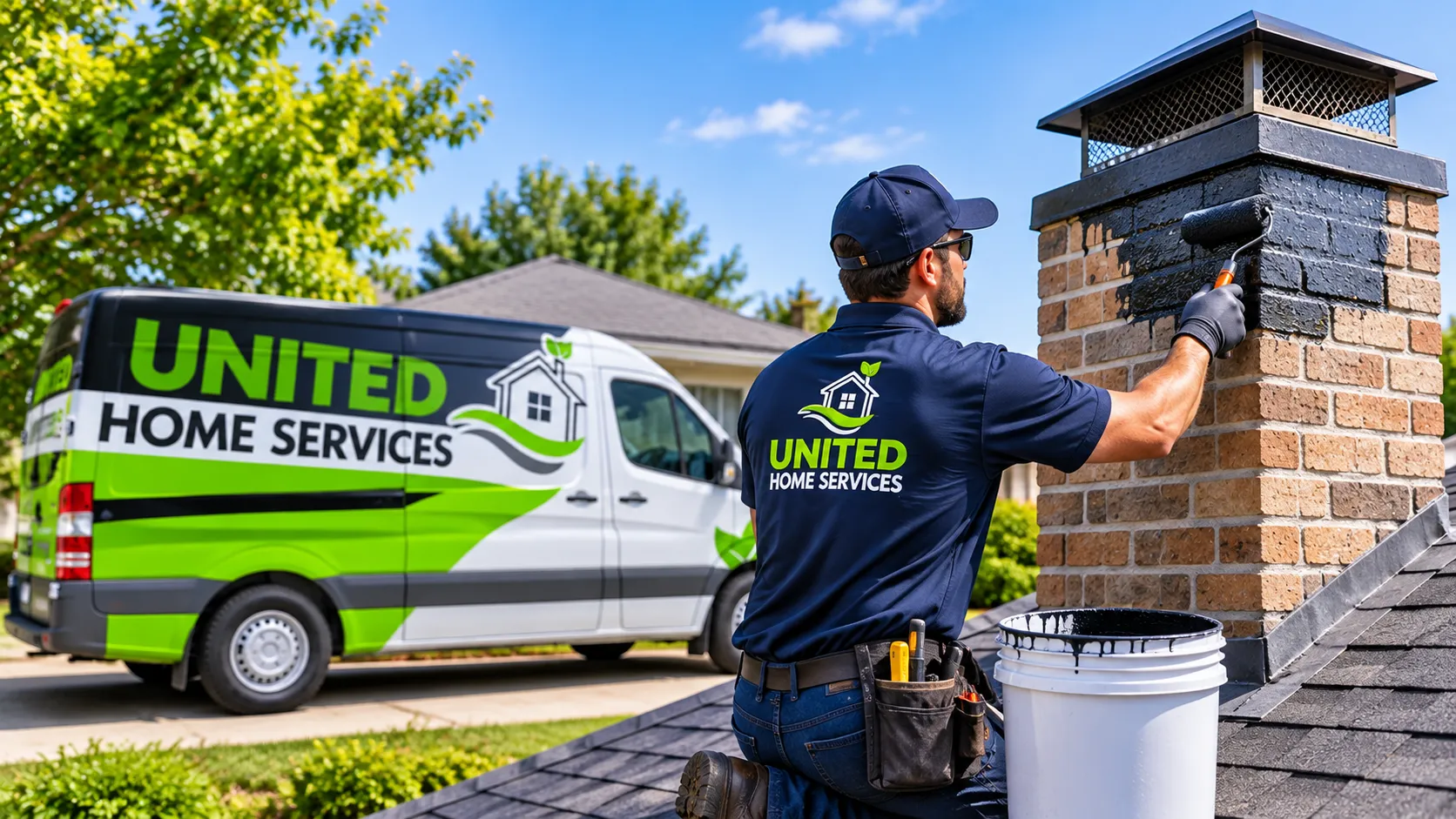
- Inspect the chimney exterior. The crown, cap, flashing, brickwork, and mortar joints need attention. Houston rain and storms can expose weak seals and allow water into the chimney.
- Test gas or electrical parts. For gas units, the technician checks the burner, pilot, ignition, and accessible connections. Electric models need checks based on the manufacturer’s service instructions.
- Explain the findings. Ask for photos or a written report. The report should separate routine cleaning from repairs and identify any issue that needs attention before use.
A qualified fireplace contractor in Houston would generally advise homeowners to check for water entry after severe storms. For example, a homeowner in The Heights may have an older brick chimney with worn mortar. A post-storm inspection may reveal a loose cap or damaged flashing before water reaches the interior.
The Houston Construction Code is based on adopted building codes and local amendments. The city’s residential permitting guidance references the 2021 International Residential Code for single-family homes. New fireplace installations, structural changes, chimney rebuilding, or major alterations may need permits and inspections. Check the current requirements with Houston’s permitting office before work begins.
Fireplace maintenance costs in Houston
Service prices depend on the fireplace type, its condition, and how easy it is to reach. A simple inspection costs less than a visit that includes deep cleaning or repair work.
Houston-area published price guides show these broad estimates:
| Service | Estimated Houston cost | Common purpose |
| Basic chimney inspection | 100–250 | Visual safety check |
| Chimney sweep with inspection | 150–450 | Flue and firebox cleaning |
| Camera inspection | 250–550 | Checks hidden flue damage |
| Gas fireplace service | 100–225 | Burner and ignition checks |
| Minor chimney repairs | 150–800+ | Small cracks, seals, or cap work |
These are planning estimates, not fixed quotes. A tall chimney, steep roof, multiple flues, heavy creosote, or storm damage can raise the price. Major masonry work, liner replacement, and firebox rebuilding need a separate assessment.
Before booking, ask whether the quote includes the inspection report, cleaning, camera work, and any parts. A low inspection price may cover only a basic visual check. Get repair costs in writing before approving extra work.
Choosing a fireplace service provider in Houston
The person working on your fireplace should understand its fuel system and construction. A general home repair worker may not have the tools or training for chimney inspections, gas testing, or flue repairs.
Check these points before hiring:
- Ask about experience with your exact fireplace type.
- Confirm suitable insurance and relevant trade qualifications.
- Request a written description of the inspection and cleaning.
- Ask for photos of damage and the proposed repair.
- Confirm whether permits are needed for planned alterations.
- Get a clear estimate before work starts.
A specialist who regularly handles fireplace and chimney work in Houston, such as Houston United Home Services, may be familiar with local weather concerns, older masonry, and storm-related damage. Compare the inspection process and documented findings rather than relying on broad service claims.
Frequently asked questions
How often should a fireplace be inspected in Houston?
Arrange a professional inspection at least once a year, even if you use the fireplace only a few times. Houston’s humid weather can affect metal parts, masonry, and chimney openings during long periods of disuse. Wood-burning fireplaces may need cleaning based on creosote buildup and use.
How much does fireplace maintenance cost in Houston?
A basic chimney inspection may cost around 100–250. A sweep with inspection may range from 150–450. Gas fireplace service may cost around 100–225. The final price depends on access, condition, parts, and the type of fireplace.
Does a gas fireplace need annual maintenance?
Yes. Gas fireplaces need checks of the burner, pilot, ignition system, glass, vent, and accessible gas connections. Dust, insects, and worn parts can affect operation during the months when the unit sits unused. Stop using the fireplace if you smell gas or notice unusual flame behaviour.
Can Houston humidity damage a fireplace or chimney?
Yes. Humidity and rain can contribute to rust, worn mortar, damaged flashing, and moisture inside the chimney. Water stains, white deposits on brick, peeling paint, and a musty smell can point to water entry. A technician can inspect the cap, crown, flashing, and masonry.
What are the signs that my fireplace needs cleaning?
Look for heavy soot, thick creosote, smoke entering the room, a strong smoky smell, or debris inside the firebox. A blocked chimney may also affect the draft. Stop using a wood fireplace if smoke does not move up the flue as it should.
Do I need a permit for fireplace repairs in Houston?
Routine cleaning and basic maintenance may not need a building permit. New installations, structural changes, chimney rebuilding, and some major alterations may require permits and inspections. Rules depend on the work and property. Check current Houston requirements before starting a project.
How much does chimney cleaning cost in Houston, TX?
A chimney sweep with an inspection often falls within a broad 150–450 range. A camera inspection may cost more, especially when the flue is difficult to access. Ask whether the quote includes the firebox, smoke chamber, full flue, and a written condition report.
Is it safe to use a fireplace after a long period of disuse?
Have it inspected before lighting the first fire. Birds, insects, leaves, and other debris may block the flue. Gas fireplaces may have ignition or burner issues after months without use. Check the manufacturer’s instructions and arrange professional service if you are unsure.
Which fireplace type needs the least maintenance in Houston?
Electric fireplaces usually need less maintenance because they do not burn fuel or produce chimney soot. They still need dust removal and checks of vents and electrical parts. Gas units need burner and vent checks, while wood fireplaces need regular flue inspections and cleaning.
Can I clean my fireplace myself?
You can remove cold ash and loose debris from an accessible firebox, following the manufacturer’s instructions. Never handle ash that may still contain hot embers. Chimney sweeping, gas checks, flue inspections, and repairs need suitable tools and trained service workers.
When should I stop using my fireplace?
Stop using it if you notice smoke entering the room, a strong gas smell, damaged glass, falling masonry, unusual noises, or a persistent burning smell. For a suspected gas leak, leave the property and call for help from a safe place. Do not restart the unit until a qualified professional checks it.
Closing advice
A fireplace should be checked before the cooler months arrive, even if it has seen little use. Start with a visual check, keep the area clear, and arrange professional service when you notice damage, unusual smells, or poor operation. Ask for a clear report and written repair estimate before work begins. Houston United Home Services is one local company you can contact to discuss your fireplace maintenance needs. Regular care helps you use your fireplace with greater confidence when cooler weather reaches Houston.